
Teeth Grinding/Bruxism in Hervey Bay
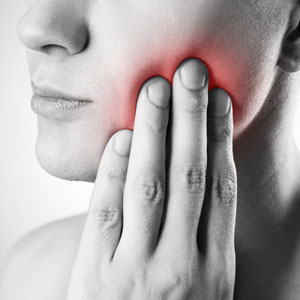 Tooth grinding, also known as bruxism, refers to the habit of clenching, grinding, or gnashing your teeth, often involuntarily and usually during sleep. This condition can occur during both day and night, and can lead to various dental and health problems if left untreated. A combination of physical, psychological, and genetic factors can cause it. Some potential causes include stress, anxiety, misaligned teeth, sleep disorders, lifestyle factors, and certain medications.
- Tooth Wear: Continuous grinding and clenching can wear down the enamel on teeth, making them more susceptible to decay and sensitivity.
- Tooth Fractures: Excessive pressure from gnashing can lead to chipped, cracked, or fractured teeth.
- Jaw Pain and TMD: The condition can cause jaw pain, temporomandibular joint (TMJ) discomfort, and contribute to temporomandibular joint disorder (TMD).
- Headaches: The pressure and muscle tension from clenching and gnashing can lead to tension headaches and migraines.
- Disrupted Sleep: Bruxism can disrupt sleep for both the person grinding their teeth and their sleeping partner.
Treatment Options for Bruxism/Teeth Grinding in Hervey Bay
Recognising the signs and symptoms of teeth grinding, also known as bruxism, is crucial for seeking timely treatment and preventing potential oral health issues. One common early sign of this condition is increased tooth sensitivity to hot and cold temperatures.
This can cause discomfort or pain when consuming hot or cold foods and beverages. In addition, bruxism can lead to the gradual loss of tooth enamel and changes in the shape of the teeth, resulting in worn, flattened, or chipped tooth surfaces.
Other Signs to Be Aware of
Another indication of teeth grinding is the presence of cracks or fractures in teeth, dental fillings, crowns, or other restorations. Bruxism strains the jaw muscles and temporomandibular joints (TMJ), leading to jaw pain, discomfort, or clicking sounds when you open and close your mouth. Frequent or recurring headaches, particularly upon waking in the morning, can also be a sign of bruxism-related muscle tension.
Pain or discomfort in the face, especially around the temples or the sides of the face, can be associated with the condition. Biting the inside of the cheeks or lips can result from teeth grinding, leading to oral sores or injuries. If you share a sleeping space with someone, they may hear your teeth grinding at night. Furthermore, if you already use a nightguard or dental appliance to protect your teeth, examining it for signs of wear can indicate ongoing bruxism.
How We Help
Our dentists can identify signs of bruxism during regular dental checkups through the examination of tooth wear, jaw alignment, and any related symptoms.
- Custom Nightguards or Splints: One common approach is to provide a custom-made nightguard or splint. These are dental appliances that are worn during sleep to protect the teeth from grinding against each other. Nightguards can also help alleviate jaw pain and headaches associated with the condition.
- Orthodontic Treatment: If misaligned teeth contribute to bruxism, orthodontic treatment (such as braces or clear aligners) might be recommended to correct the alignment and reduce grinding.
- Medications: In certain cases, dentists or doctors might prescribe muscle relaxants or other medications to help manage the muscle tension associated with bruxism.
Other Factors to Consider
Stress Management
Since stress and anxiety are often triggers for bruxism, we may recommend stress management techniques, such as relaxation exercises, counseling, or lifestyle adjustments.
Behavioural Therapy
For some individuals, behavioural therapies aimed at changing the habit of teeth gnashing can be effective in reducing or eliminating bruxism.
Book an Appointment
If you’re experiencing symptoms associated with teeth grinding, we want to help. Contact us today to schedule an appointment.
Any invasive or surgical procedure may carry risks. Before moving forward, it is recommended that you seek a second opinion from an appropriately licensed medical professional.
