
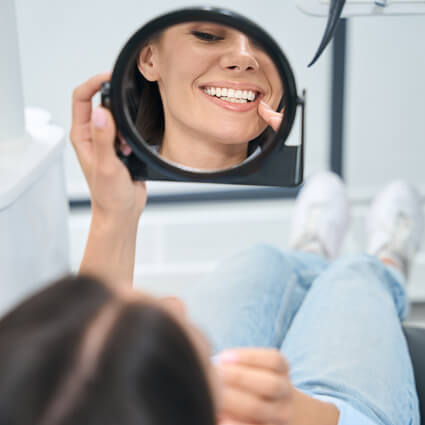
 Getting veneers can feel like a big step, especially if you’ve wanted to improve your smile for a while. Once they’re fitted, a few simple habits can make a meaningful difference in how your veneers look and feel over time. From brushing and flossing techniques to what to avoid biting into, the information below outlines practical steps that can help you care for your veneers and know when it’s worth checking in with your dentist.
Immediate Care After Veneer Bonding
It’s common for your bite and the feel of your teeth to seem a little different for the first few days. This often settles as you adjust. If something feels uncomfortable or “high” when you bite together, contact your dentist as small adjustments may help.
Sensitivity and follow-up visits
Some people notice temporary sensitivity to hot or cold after veneers are bonded. This may improve over time. If sensitivity is worsening or hasn’t eased after about two weeks, get in touch so your dentist can check the fit and your gums.
Regular reviews let your dentist monitor the veneers, your bite, and your gum health, and help identify wear or minor chips early.
Long-Term Cleaning and Lifestyle Tips
Care for veneers much like natural teeth: brush twice a day, floss once a day, and attend regular check-ups and professional cleans. Good daily cleaning helps manage plaque build-up around the veneer margins and supports gum health.
Even though porcelain veneers are generally more resistant to staining than natural enamel, the surrounding teeth can still discolour. Limiting frequent staining drinks (like coffee, tea, and red wine) and rinsing with water afterwards can help.
Veneers can look great long term, but they still rely on daily care. Small habits—like gentle brushing and avoiding hard foods—can make a real difference over time,” explains Dr Felipe Knob (Dentist).
Foods and habits to avoid
Avoid biting directly into very hard items (ice, hard lollies, nutshells) and don’t use your teeth as tools (opening packaging, tearing tape). If you clench or grind your teeth, ask about a custom night guard to help protect your teeth and dental work.
Maintaining polish and
Skip abrasive toothpastes and at-home whitening products unless your dentist recommends them, as some can scratch or dull surfaces. Your dental team can polish veneers during routine cleans where appropriate.
When to Contact Your Dentist
Contact your dentist if you notice a chip, rough edge, persistent sensitivity, gum irritation, or a change in how your teeth meet when you bite. At Hervey Bay Dental in Hervey Bay, we’re happy to answer questions and help you plan your next check-up. Call (07) 4125 5099 to book.
Any invasive or surgical procedure may carry risks. Before moving forward, it is recommended that you seek a second opinion from an appropriately licensed medical professional.