
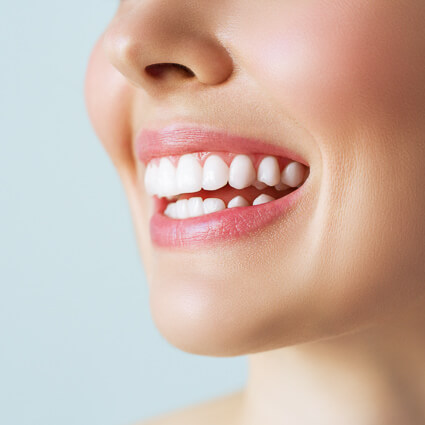
 Whether you love taking photos or want to feel more comfortable smiling in social settings, a bright, confident smile can make a real difference in how you feel day to day. Veneers are one option some patients explore when they want to address concerns such as worn edges, discolouration, uneven shapes, or small gaps.
Understanding the Difference Between Veneer Materials
What are porcelain veneers?
Porcelain veneers are thin, custom-made ceramic shells created in a dental laboratory. After careful assessment, your dentist prepares the teeth and takes impressions or digital scans so the veneers can be designed to suit your smile.
Porcelain is known for its strength and its ability to reflect light in a way that closely resembles natural tooth enamel. Because they’re made outside the mouth, porcelain veneers allow for detailed shaping and a smooth, polished finish. Suitability varies depending on your teeth, bite, and overall oral health.
What are composite veneers?
Composite veneers use a tooth-coloured resin that is applied directly to the tooth and shaped by your dentist. The material is then set using a curing light. In some cases, this process can be completed in a single visit.
Composite veneers may be considered for smaller cosmetic changes and can be easier to repair if minor damage occurs. However, composite resin can be more prone to staining and surface wear over time, which may mean more ongoing maintenance.
Comparing Durability, Cost, and Appearance
Longevity and maintenance
Both veneer types require good oral hygiene and regular dental check-ups. Porcelain is generally more resistant to staining and wear, which is why it’s often chosen for longer-term cosmetic improvements. Composite may need more frequent polishing or touch-ups, particularly if you consume staining foods or drinks, or grind your teeth.
No veneer option is permanent, and replacement may be required over time.
Colour and finish differences
Porcelain veneers tend to maintain a glossy, enamel-like appearance for longer. Composite veneers can also look natural, but their surface may dull or discolour more quickly depending on habits and maintenance.
Which Option Suits Our Patients Best?
When veneers are appropriate, porcelain veneers are the option we most commonly provide in our practice. This is because they allow for precise customisation and tend to hold their appearance well over time. That said, composite veneers may still be suitable in certain situations, particularly for more conservative cosmetic changes.
A personalised consultation allows us to discuss suitability, expected outcomes, alternatives, costs, and ongoing care, so you can make a choice that feels right for you.
Choosing veneers isn’t about a one-size-fits-all solution. It’s about understanding your teeth, your goals, and what’s realistically achievable for your smile,” says Hervey Bay dentist Dr Felipe Knob.
Ready to Explore Your Options?
If you’re thinking about veneers and want advice tailored to your smile, we invite you to book a consultation with our team at Hervey Bay Dental. We’ll take the time to assess your teeth, answer your questions, and explain all suitable options.
CONTACT US »
Any invasive or surgical procedure may carry risks. Before moving forward, it is recommended that you seek a second opinion from an appropriately licensed medical professional.